Findings
The project found that the Romani communities we worked with demonstrated important forms of environmental knowledge, sustainability and resourcefulness that are often overlooked or misunderstood. Key themes included:
Sustainability embedded in everyday life and daily practices
Repair, reuse and resourcefulness valued over consumerism and waste
Strong traditions of sharing, mutual support and collective living
Cultural knowledge and traditions that support environmental sustainability
Communities frequently facing environmental injustice and exclusion
Romani communities contributing important environmental knowledge, practices and solutions rather than causing environmental harm
The list below illustrates some of these practices and values. They are not isolated customs or nostalgic traditions. They reflect the values of Romani people living in England, Scotland and Spain today - repair instead of waste, sharing instead of excess, community instead of individualism, and respect for the natural world. At a time of environmental crisis, Romani communities have knowledge and practices that could help us all to achieve more sustainable ways of living.
1. Repair, Reuse and Low-Waste Living
Making and mending clothes
Making and repairing shoes
Repairing broken household items
Recycling metals through traditional tinkering
Crafting everyday objects from recycled materials
Using and trading second-hand items
Trading second-hand items to extend product lifespan
Sorting waste to reuse and recycle materials
Creating art from found or discarded materials
Making toys from natural or found materials
Handcrafting wooden furniture
Repairing metal objects through traditional tinkering
2. Living with Nature and Natural Materials
Growing local food and raising animals
Small-scale livestock farming
Raising livestock sustainably
Hunting small game sustainably
Growing small gardens
Composting organic waste
Sustainable firewood collection
Collecting rainwater / rainwater collection
Using biodegradable materials
Making household items from natural materials
Making tools and utensils from wood and bone
Crafting pottery from local clay
Weaving baskets from natural fibres
Leatherworking using traditional methods
Outdoor living and connection to nature
Teaching children to respect nature
3. Food, Self-Sufficiency and Resourcefulness
Preparing and cooking fresh food
Eating fresh food
Preserving foods
Open-air cooking methods
Communal meals
Drying clothes in open air
Herbal medicine
Local market stalls
Selling handcrafted goods
Selling at local markets and small businesses
Bartering and trading
Itinerant trade and local exchange systems
4. Community, Sharing and Collective Life
Sharing resources among extended families
Sharing and community life
Collective decision-making on resources
Maintaining close-knit communities
Organising communal events
Socialising rather than consuming
Street games and informal recreation
Entertainment not dependent on consumption
5. Culture, Creativity and Knowledge
Singing and making music
Storytelling and theatrical performance
Handcrafting costumes and instruments
Creating musical instruments from discarded materials
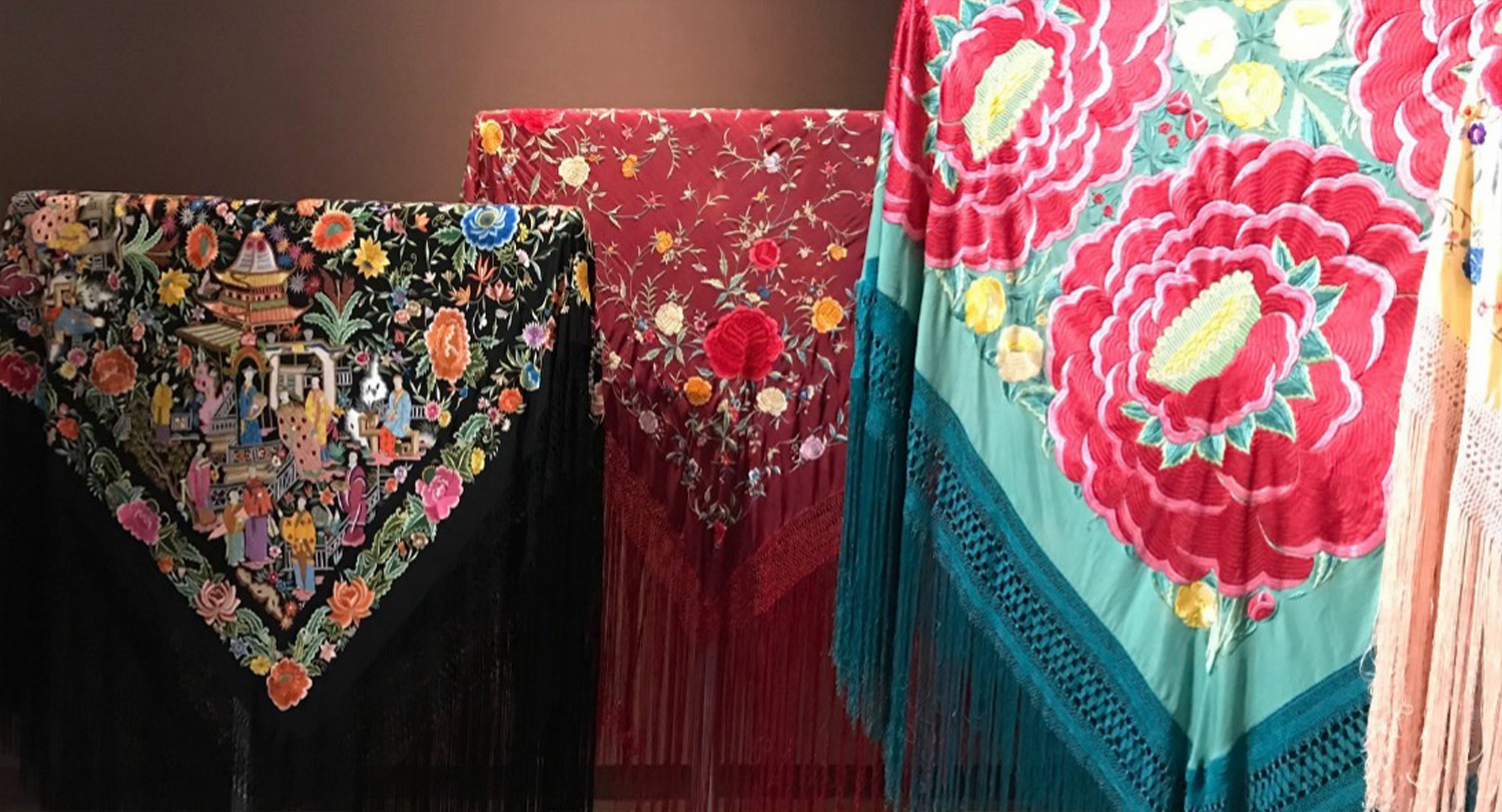
Celebrating nature in floral patterns and decoration
Passing down oral traditions
Educating children through oral traditions
Teaching traditional crafts
Passing down sustainable skills such as fishing, foraging and crafting
6. Environmental Justice and Resistance
Attempts to influence the Council about the waste site
Challenging environmental inequality
Community organising around environmental harms
Protecting local environments and neighbourhoods
7. Values, Ethics and Ways of Living
Respect for nature and the land
Taking only what is needed
Avoiding waste
Repair rather than disposal
Resourcefulness and self-sufficiency
Collective responsibility and mutual support
Sharing rather than accumulation
Living simply with lower material consumption
Valuing relationships and community over possessions
Passing knowledge between generations
Care for animals and local environments
Creativity over consumerism
Pride in practical skills and craftsmanship
Freedom, mobility and adaptability
Resistance to overconsumption and throwaway culture
Publications
2025
Venkov-Rose, N. and Bell, K. (2025) ‘Environmental racism and “the media-government complex”: Failures of municipal waste collection for a racialised community in Bulgaria’ Local Environment, 31(2), 150-168
Presentations
2026
Cioarta, I. ‘Connection with nature and wellbeing in the Roma communities’, Wisdom Days: Science for Sustainability Transformations conference. University of Jyväskylä, Finland, 8th May 2026
Cisneros, R. ‘Co-creating change: Roma youth and families at the heart of European decision-making. “Roma heritage, activism and change”’, Roma Week 2026. European Parliament, Brussells, 23rd April 2026
Martínez Martínez, M. ‘A different look through Gypsy history’ exhibition opening, Asociación Dosta with the support of the Adalusian Regional Government. Jaén Provincial Historical Archive, 9th February 2026
Cisneros, R. Contributor, ‘Using dance and collections to promote equity, diversity, inclusion and belonging in museums’, Growing Together Project. M Shed, Bristol, 26th January 2026
2025
Martínez Martínez, M. ‘600 years of Roma presence in Spain: History, culture and resistance’, Commemoration of 600th Anniversary of the Arrival of the Roma People in Spain, Hermandad Sacramental de los Gitanos de Sevilla. Casa Hermandad de Los Gitanos, Seville, 28th November 2025
Martínez Martínez, M. ‘600 invisible years of Gypsy history’, 22 November: Day of the Andalusian Gypsies, Sinando Kalí Association of Gypsy Women and Jaén Provincial Council. Jaén Provincial Council Cultural Centre, 21st November 2025
Martínez Martínez, M. ‘600 years of Gypsy presence in Spain: Past and future’ roundtable with Federico Pablos (Asociación Enseñantes con Gitanos), 600 Years Since the Arrival of the Roma People to the Iberian Peninsula, Estipen Gypsy Sociocultural Association. Osuna Cultural Centre Assembly Hall, Seville, 13th November 2025
Martínez Martínez, M. ‘600 invisible years of Gypsy history’ roundtable with Francisco Torres Andrades at presentation of feature-length documentary The Great Roundup: History of a Genocide by Pilar Távora, Asociación Promoción Gitana de La Rioja and Government of Rioja. IES Batalla de Clavijo Assembly Hall, Logroño, 13th November 2025
Martínez Martínez, M. ‘600 invisible years of Gypsy history’ roundtable with Francisco Torres Andrades at presentation of feature-length documentary The Great Roundup: History of a Genocide by Pilar Távora, Asociación Promoción Gitana de La Rioja, La Calahorra City Council, Fundación Caja Rioja and Government of La Rioja. Centro Fundación Caja Rioja, 12th November 2025
Martínez Martínez, M. ‘History of the Gypsy people’, Oral Heritage Conference: ‘History and Anthropology of the Gypsy Caló Romanó People’, Instituto de Cultura Gitana and University of Granada. University of Granada Melilla Campus, 5th November 2025
Rodríguez Martínez, P and Martínez Martínez, M. ‘A different look through Gypsy history’ exhibition opening, Asociación Dosta with the support of the Adalusian Regional Government. Almería Provincial Historical Archive, 3rd November 2025
Martínez Martínez, M. ‘A different look through Gypsy history’ exhibition opening, Asociación Dosta with the support of the Andalusian Regional Government. Málaga Provincial Historical Archive, 1st April 2025
Martínez Martínez, M. ‘Never again: A tribute to the women victims of the Great Roundup and the 1749 Extermination Project’ at inauguration of plaque in memory of the Gypsy women imprisoned in Denia Castle, Denia City Council and FAGA (Federación Autonómica de Asociaciones Gitanas). Denia Public Library, 21st March 2025
Martínez Martínez, M. ‘600 Years of Roma presence in Spain: A silenced history’, Commemoration of the 600th anniversary of the arrival of the Roma people in Spain, University of Alicante. Fernando de Loazes Public Library, Orihuela, 5th March 2025
2026
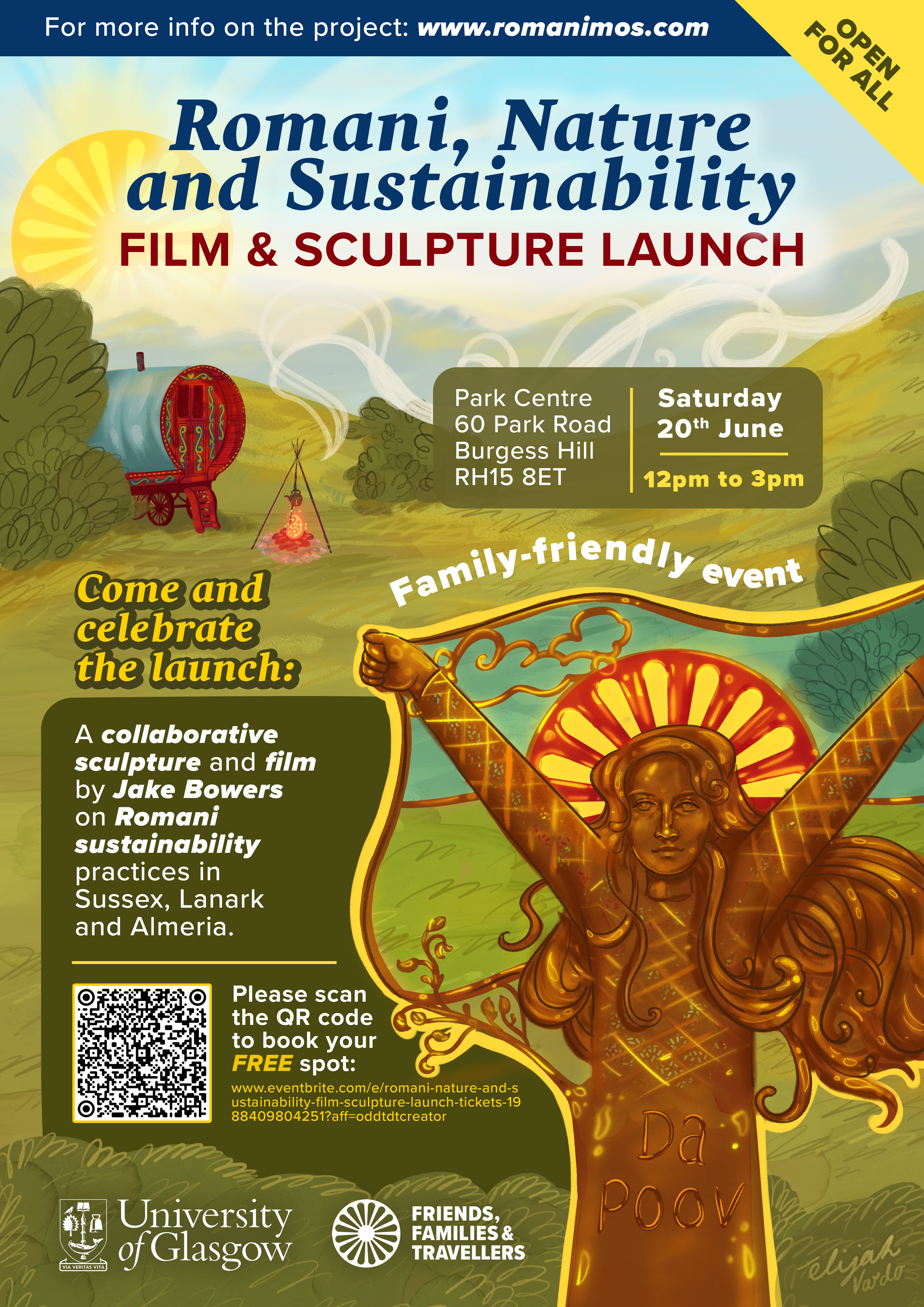
‘Romani, Nature and Sustainability’: Film and sculpture launch. Park Centre, Burgess Hill, 20th June 2026
Workshops and events
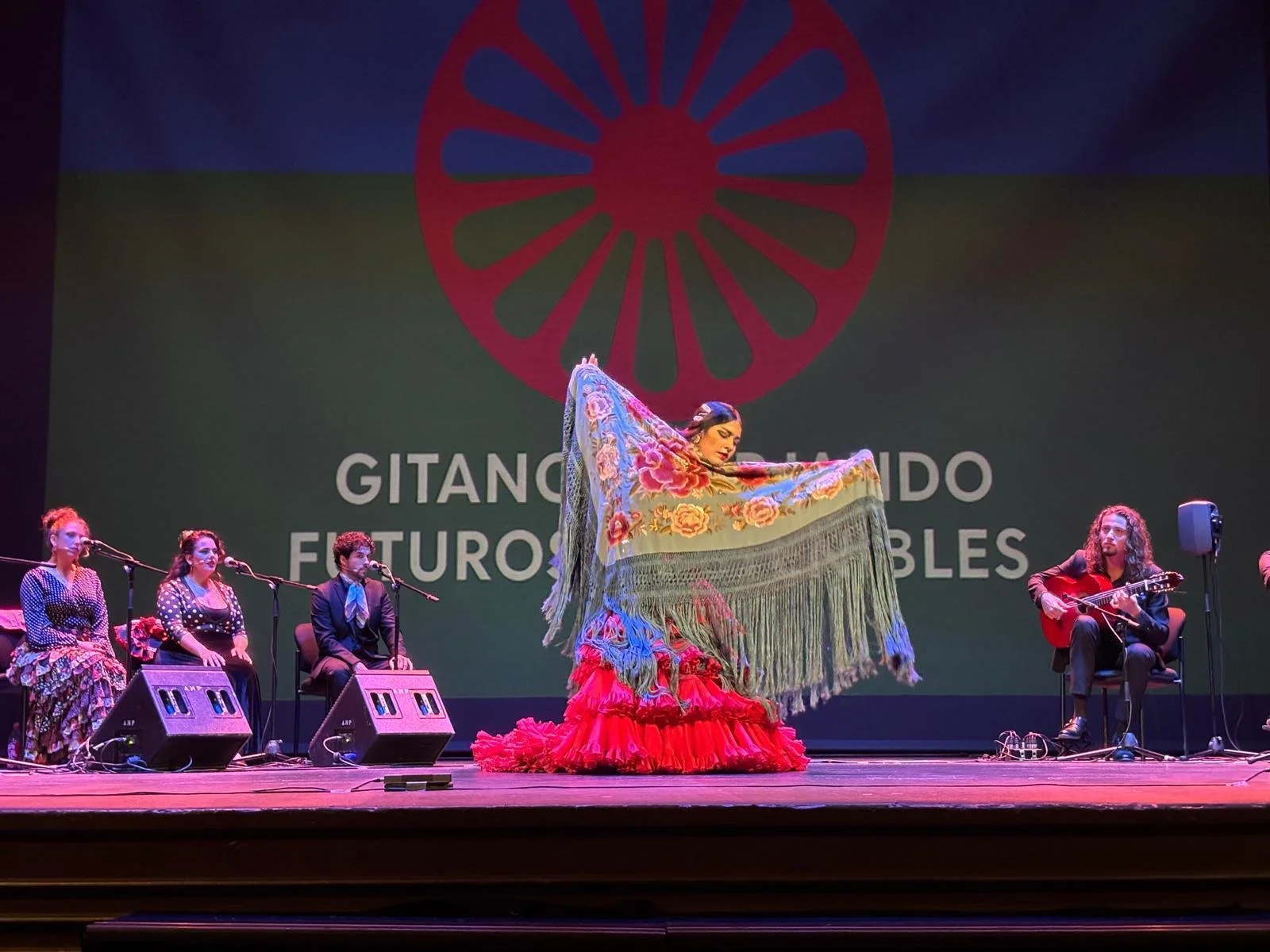
Pedro Heredia Reyes, el Granaíno and Manuela Ríos. ‘Gypsies Forging Sustainable Futures dance spectacular’. Auditorio Municipal Maestro Padilla, Almería, 6th March 2026
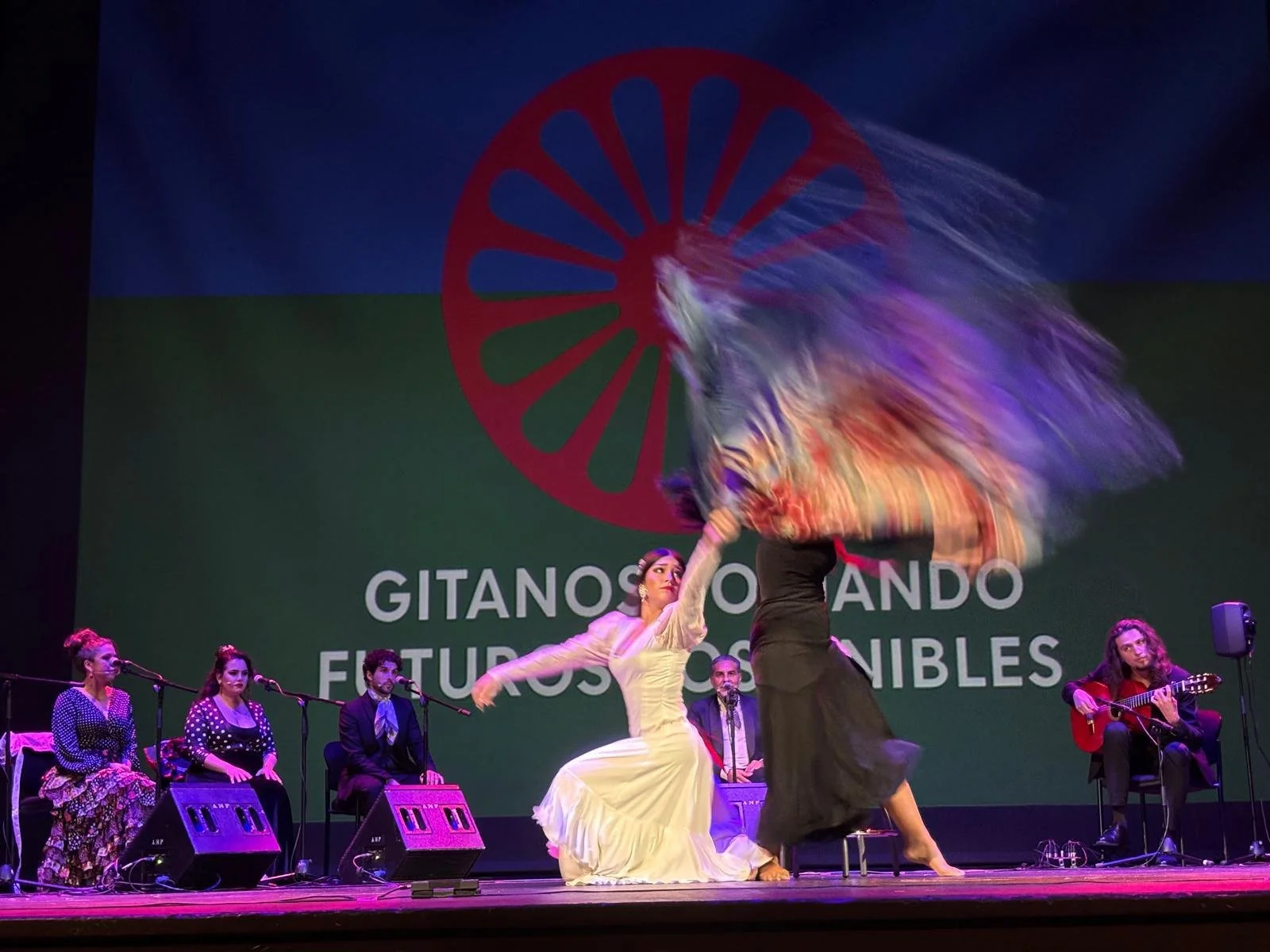
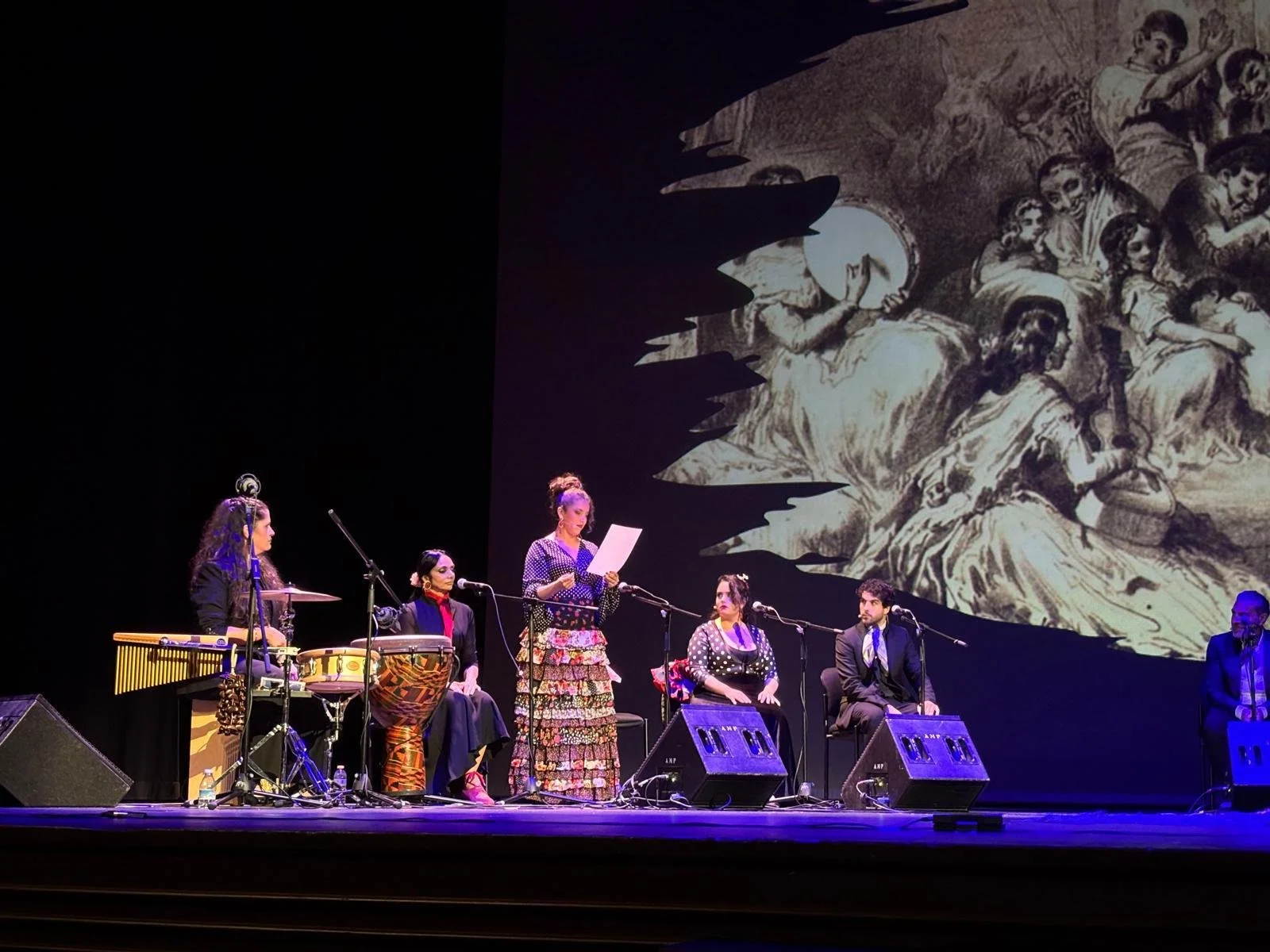
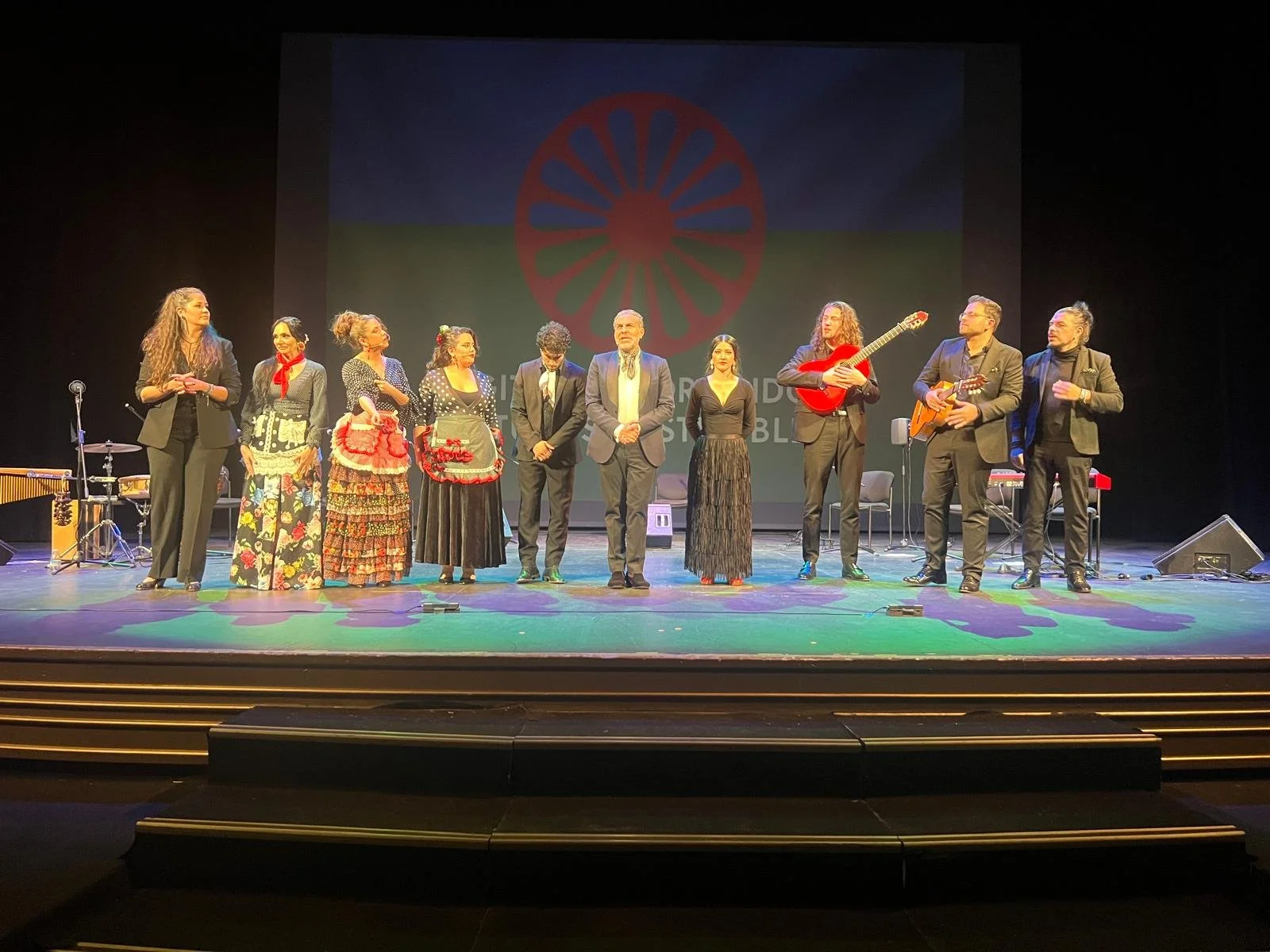
‘6/3/2026 Gypsies Forging Sustainable Futures dance spectacular’ Radio PUCHELA, 7th March 2026
‘We interviewed those who made this event possible at the Maestro Padilla, 6,3,26’ Radio PUCHELA, 7th March 2026
‘The University of Almeria is developing a study…’ Canal Sur Almería, 3rd March 2026

